AI Analysis
92 articles
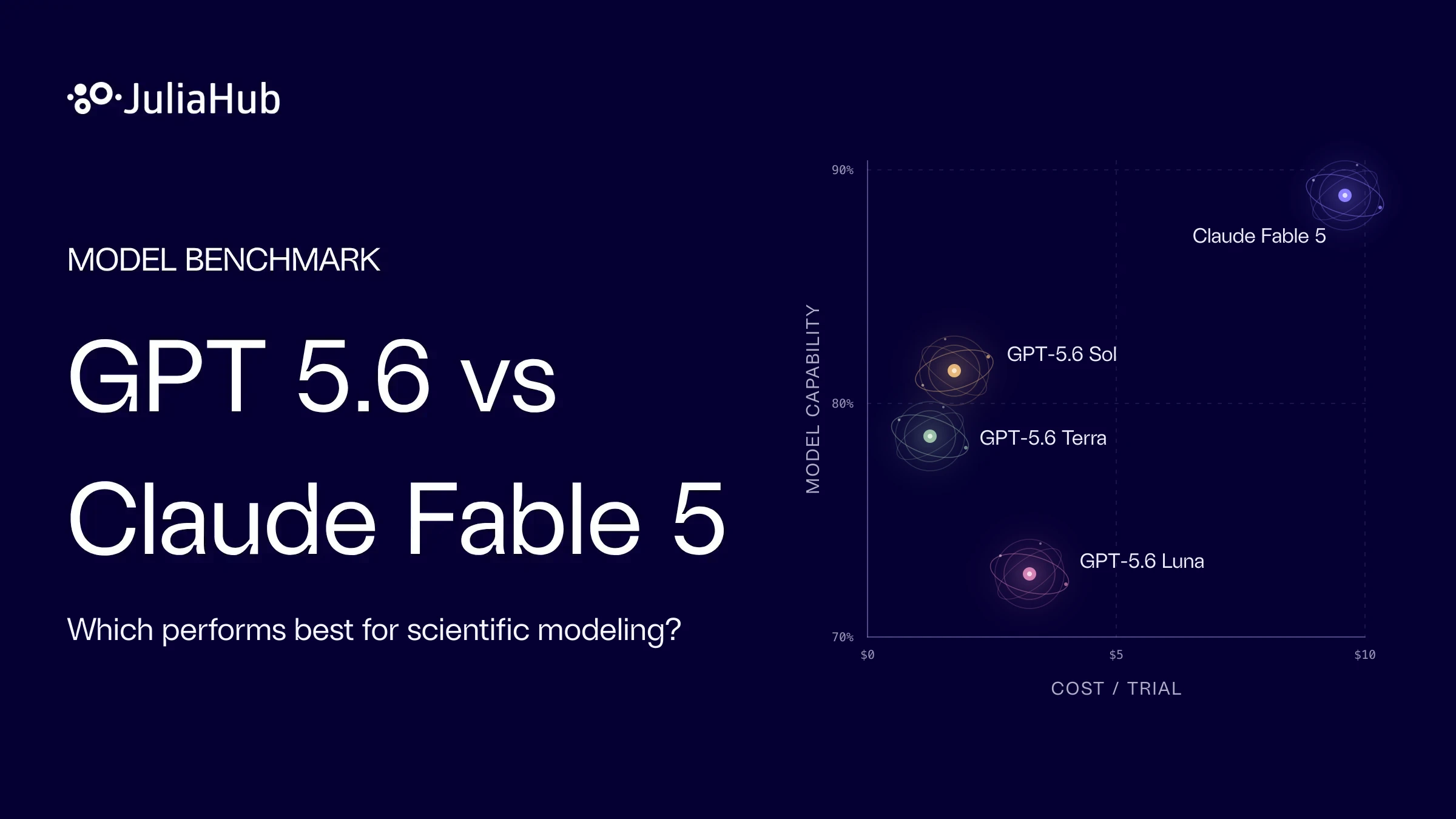
Claude Fable 5 Outperforms GPT-5.6 in Physical AI Modeling Benchmark
Anthropic's Claude Fable 5 achieved a 0.889 weighted score in JuliaHub's physical AI evaluation, beating OpenAI's best GPT-5.6 variant by 9% across five modeling problems.

Stack Overflow: Developer trust in AI tools drops as usage climbs
Stack Overflow's latest survey reveals a trust paradox: AI usage among developers rose from 76% to 84%, but trust fell from 40% to 29%.

Box CEO Aaron Levie says tech executives suffer from AI psychosis
Box founder Aaron Levie argues CEOs are prone to AI delusions because they're too distant from actual implementation work to understand what can realistically be automated.
NVLink Bridges Show Limited Value on Server Hardware, Major Gains on Consumer Setups
Testing reveals NVLink bridges provide minimal performance gains on server motherboards with full PCIe bandwidth, but become essential for AI workloads on consumer platforms limited to x8/x8 configurations.

Enterprise AI Shifts From Pilots to Production Workflows in 2026
Deloitte research shows companies are moving beyond AI experimentation to redesigning entire business workflows, with success now measured by cycle times and ROI rather than employee access.

Lightspeed Maps AI Healthcare Journey from Admin to Clinical Care
Venture firm Lightspeed outlines how AI in healthcare is shifting from administrative tasks toward direct patient care, highlighting portfolio companies Doctronic and Neko as examples of autonomous clinical AI.
Databricks Tests Coding Agents on Multi-Million Line Codebase
Databricks benchmarked coding agents including OpenAI, Anthropic and open-source models on real engineering tasks across its multi-million line codebase, finding GLM 5.2 matches premium models at lower cost.
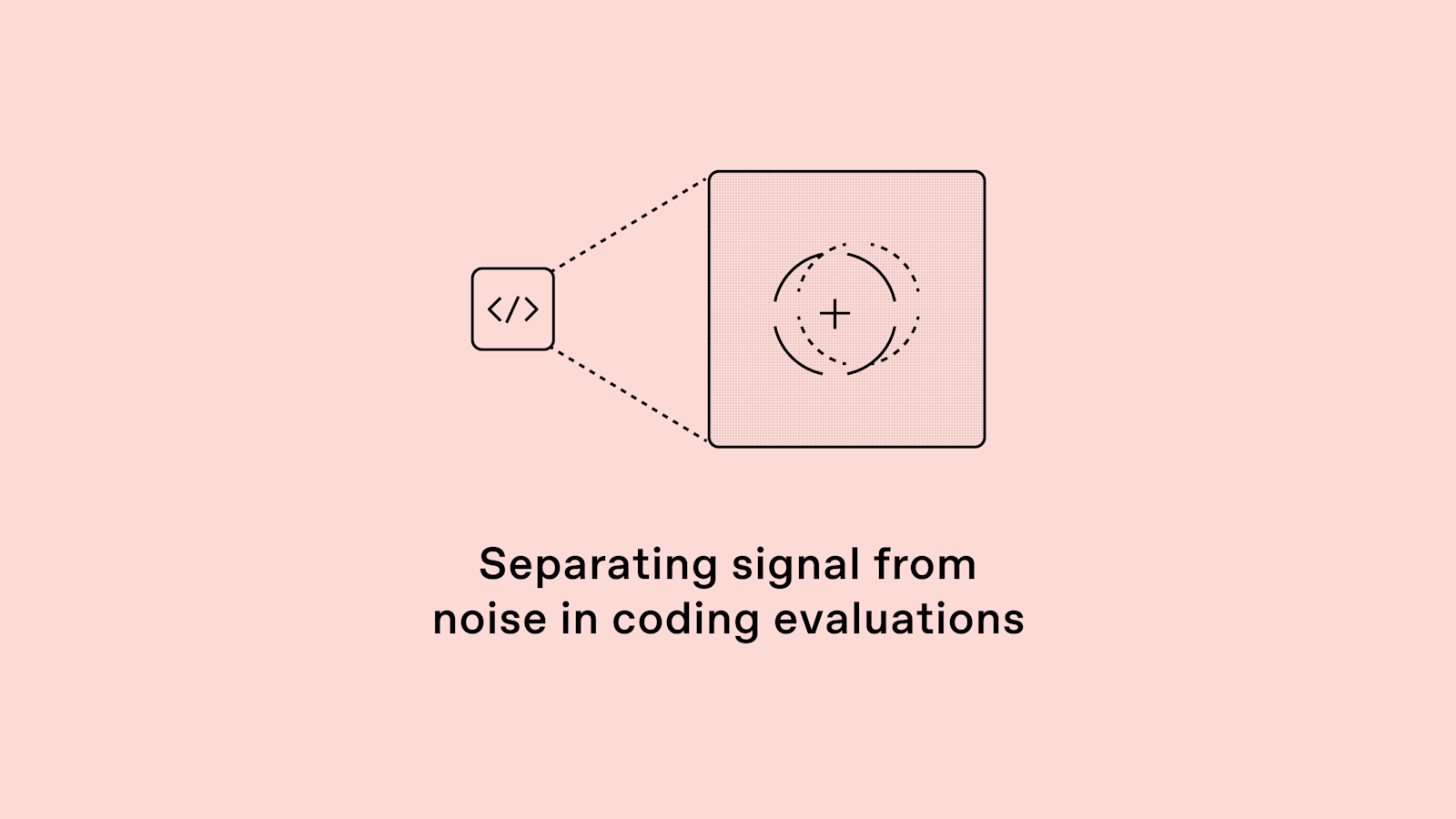
OpenAI finds 30% of SWE-Bench Pro coding tasks contain evaluation flaws
OpenAI's audit of the widely-used SWE-Bench Pro coding benchmark reveals that approximately 30% of tasks contain breaking issues including overly strict tests and underspecified prompts that misrepresent model capabilities.
Lilian Weng maps harness engineering as path to AI self-improvement
Former OpenAI safety researcher and Thinky cofounder Lilian Weng published a comprehensive analysis of 35 papers on harness engineering for recursive self-improvement in AI systems.
Meta's Stable Signature watermark fails accuracy tests in security researcher analysis
Security researcher Dr. Neal Krawetz found Meta's Stable Signature invisible watermark algorithm performs far worse than claimed, joining Google's SynthID and Adobe's TrustMark in failing real-world accuracy tests.
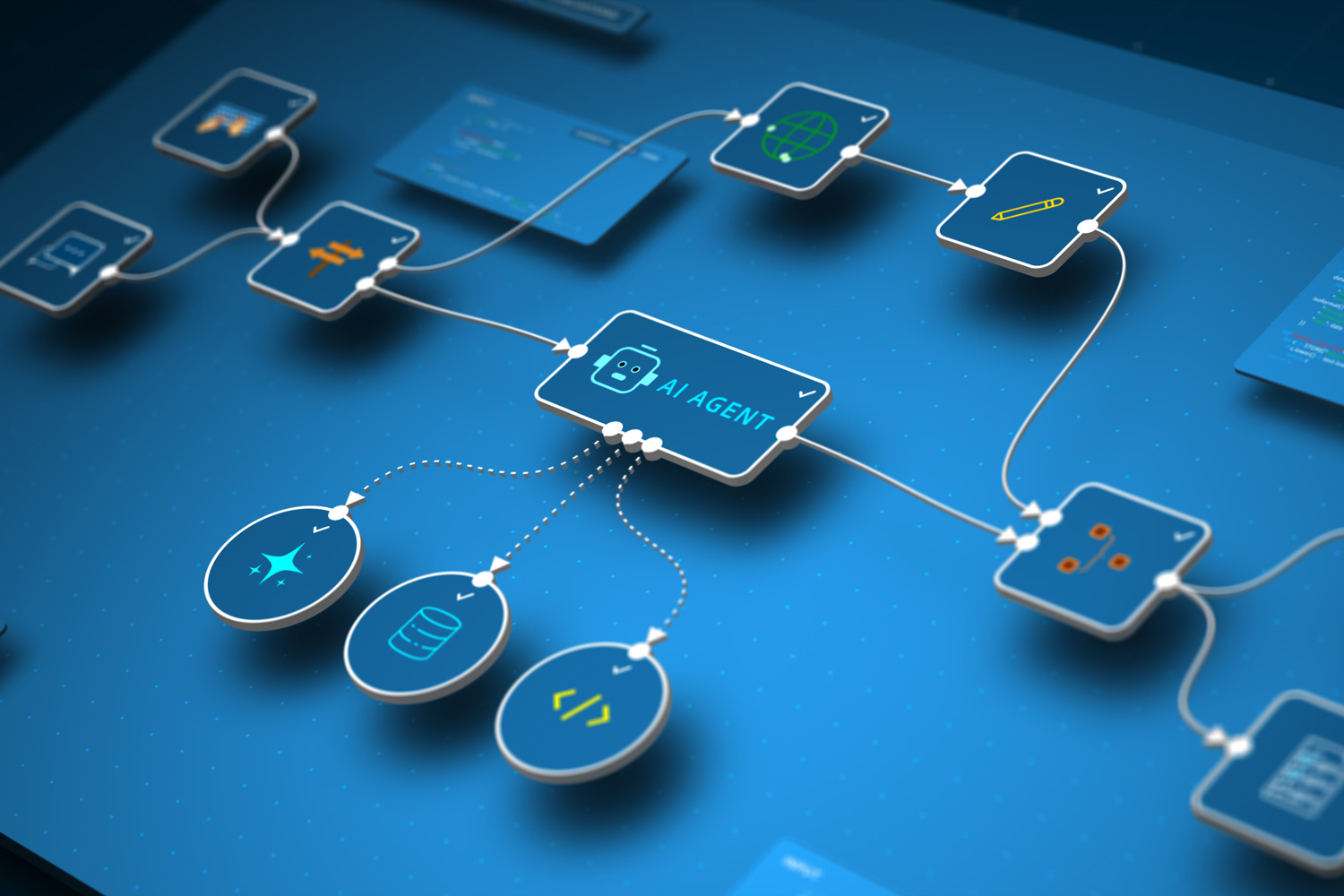
MIT Computer Scientist Explains What Agentic AI Really Is
Phillip Isola, MIT professor and CSAIL member, breaks down how AI agents differ from generative models and why coding applications show the most promise today.
Chain-of-Thought Reasoning Fails Detection When AI Models Answer Incorrectly
New research reveals that detecting unfaithful reasoning in AI models becomes nearly impossible when the models produce wrong answers, where 69% of reasoning failures actually occur.