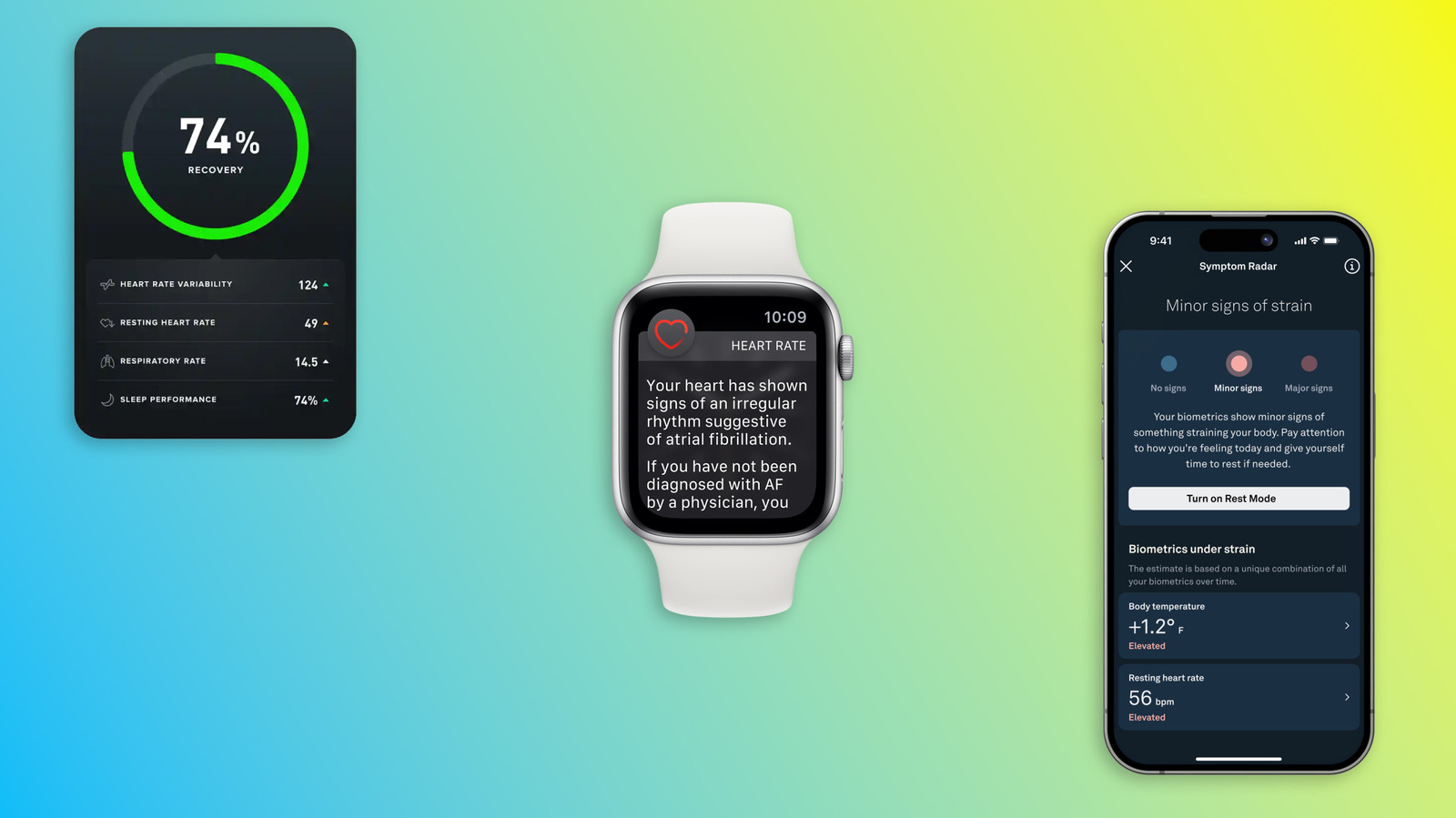
Smartwatches have evolved beyond step counting into sophisticated health monitoring devices that can detect atrial fibrillation, sleep apnea, and even early signs of respiratory infections before symptoms emerge.
The devices work best at identifying breaks from individual baseline patterns rather than diagnosing specific conditions. When multiple metrics shift simultaneously — resting heart rate, skin temperature, respiratory patterns — AI algorithms can flag potential illness hours before users notice symptoms.
Atrial fibrillation detection represents the gold standard for wearable health features. Apple Watch irregular pulse alerts prove accurate 84 percent of the time, making it one of the few smartwatch capabilities doctors consider clinically useful. The clear physiological signature of AFib makes it relatively straightforward for consumer devices to detect.
Basic sleep patterns and step counts also provide reliable medical insights, according to physicians. However, blood pressure alerts, detailed sleep-stage tracking, and calorie estimates remain too inaccurate for clinical decisions.
AI coaches analyze combined sensor data
Companies like Google, Oura, and Whoop have introduced AI-powered health coaches that interpret multiple data streams. Features like Oura's Symptom Radar and Apple's Vitals compare current readings against personal baselines to identify concerning patterns.
Recent research from Texas A&M and Stanford found smartwatches can detect COVID-19 and influenza signs within hours of infection. The study estimated that earlier isolation and treatment could reduce pandemic transmission by up to 50 percent.
The devices detect the body's immune response to infections rather than pathogens themselves. Individual metric changes — elevated heart rate, temperature fluctuations — might indicate poor sleep or alcohol consumption. But combined deviations often signal developing illness.
Google's Gemini-powered Health Coach and similar AI systems increasingly tie together sensor readings to suggest actionable steps. However, proprietary algorithms offer little transparency for medical professionals to evaluate.
The technology carries risks of false positives and users substituting AI insights for proper medical consultations. Recovery scores from Whoop and readiness metrics from Oura rely on undisclosed calculations that doctors cannot clinically validate.
The future likely involves devices that quietly monitor patterns, alert users to anomalies, and provide additional data points for physician discussions — rather than replacing medical professionals with wrist-worn diagnostic tools.
💬 Discussion
Sign in to join the discussion.
Sign in →No comments yet — be the first.