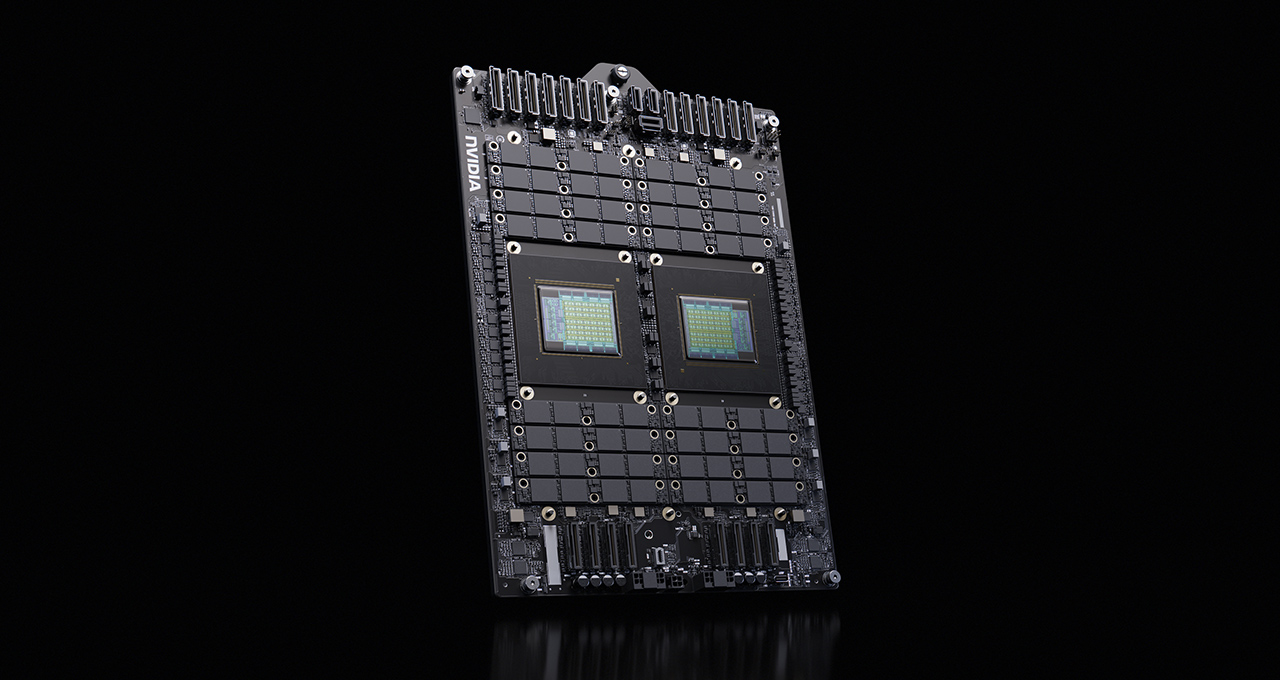
NVIDIA is deploying its Vera CPU across electronic design automation workflows used to develop its next generation of processors and GPUs.
The chip giant is collaborating with Cadence and Synopsys to optimize critical EDA applications for the Vera architecture. Early testing shows up to 1.5x higher performance on selected verification and simulation workloads compared to previous systems.
Why CPU performance matters for chip design
While GPUs and AI have accelerated many aspects of chip design, several critical EDA workloads remain heavily dependent on CPU performance. Logic simulation, formal verification and portions of digital implementation rely on fast individual cores, efficient memory systems and strong overall throughput.
These stages are interconnected — improvements in verification throughput help organizations identify issues earlier and reduce costly downstream design iterations.
NVIDIA's initial testing focused on two compute-intensive applications. Cadence Jasper, a formal verification platform that uses machine learning to find and fix bugs, showed the performance gains. Synopsys VCS, a functional verification solution for simulating complex chip designs, delivered similar improvements using the same number of cores.
Vera combines 88 custom NVIDIA Olympus CPU cores with an LPDDR5X memory subsystem and second-generation NVIDIA Scalable Coherent Fabric. The architecture delivers strong per-core performance, high memory bandwidth and consistent low latency for demanding engineering applications.
These capabilities prove particularly important for workloads that mix latency-sensitive jobs with large-scale regression testing across compute farms. Faster execution shortens individual verification runs, while greater throughput enables engineers to evaluate more design alternatives within the same development window.
Building chips with chips
The deployment reflects NVIDIA's broader strategy of accelerating each workload with the compute architecture best suited to the task. In EDA workflows, GPUs and AI continue to speed many algorithms, while high-performance CPUs remain essential for critical simulation and verification tasks.
NVIDIA plans to build on Vera with the next-generation Rosa CPU, powered by the NVIDIA Rigel core. The company continues optimizing leading EDA applications across its CPU roadmap.
By using NVIDIA CPUs to design future NVIDIA processors, the company creates a continuous feedback loop between silicon design, software optimization and systems engineering. Each generation helps build the next.
💬 Discussion
Sign in to join the discussion.
Sign in →No comments yet — be the first.