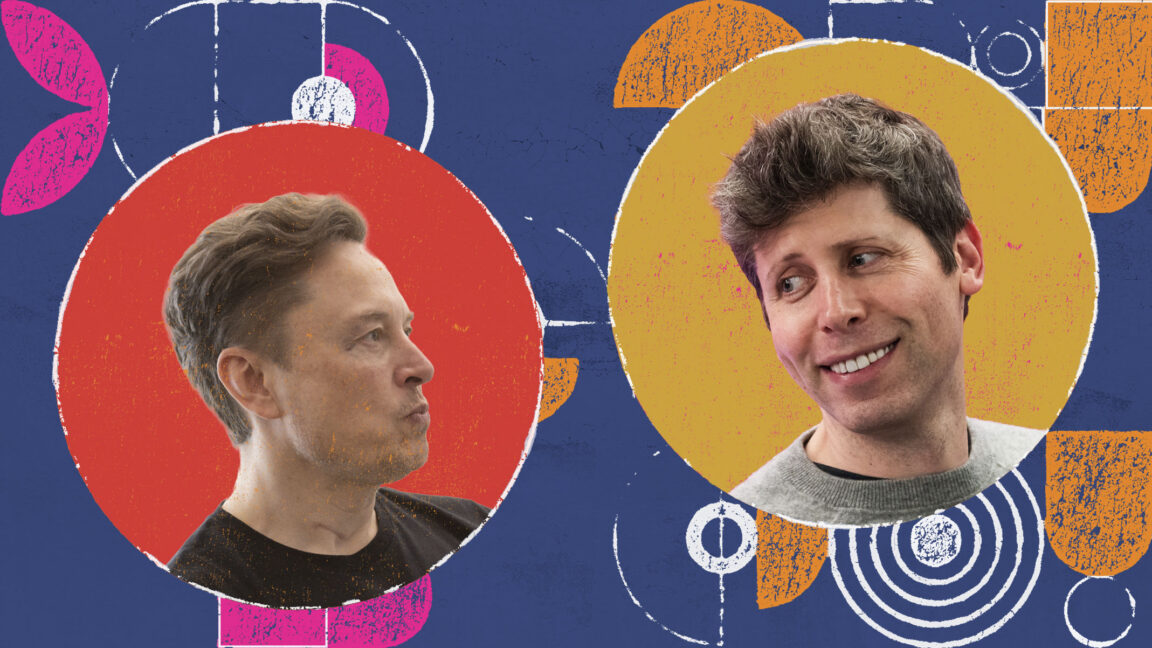
A federal trial that could determine whether OpenAI remains tethered to its nonprofit origins began jury selection Monday in the US District Court for the Northern District of California.
Elon Musk, an early donor and co-founder, is suing to prove that CEO Sam Altman steered the company away from its charitable mission in pursuit of profit. Judge Yvonne Gonzalez Rogers will make the final ruling on both liability and remedies, using the jury's findings as advisory input rather than binding verdict.
What each side stands to lose
The stakes are concrete. A Musk victory could block OpenAI's plan to spin up a for-profit entity capable of raising the capital needed to fund frontier AI research. It could also strip Altman and president Greg Brockman of their officer roles, with Altman losing his board seat.
An Altman win would clear the path for OpenAI's corporate conversion, but critics argue it would sever the last structural link between the company and the safety-first nonprofit charter Musk helped draft in 2015.
OpenAI has framed the suit as a jealousy-driven attempt to hobble a competitor while xAI, Musk's own AI venture, tries to close the gap. The company said in a statement Monday that the case is "a baseless and jealous bid to derail a competitor" and that it looks forward to questioning Musk under oath.
Musk, posting on X hours before jury selection, called the conversion a theft of a charity. He has pledged to return all damages to OpenAI's nonprofit arm if he prevails, a late-stage move apparently designed to signal that his motives are philanthropic rather than commercial.
Internal documents take center stage
Reuters reported that the case may hinge on a handful of pages from a personal diary kept by Brockman. In a 2017 entry, Brockman wrote that the moment represented "the only chance we have to get out from Elon," while questioning whether Musk should lead the organization.
Earlier emails between Musk and Altman, filed with the court, show the two agreeing in 2015 that OpenAI should be structured so "the tech belongs to the world via some sort of nonprofit." By mid-2016, Musk was meeting weekly with leadership and increasing his donations.
The relationship fractured months later. In September 2017, Musk told Altman, Brockman, and Ilya Sutskever he had "had enough." Sutskever and Brockman had separately admitted they feared raising concerns about either founder's fitness to lead.
A co-founder email to Musk from the same period warned that the governance structure gave him "a path where you end up with unilateral absolute control over the AGI," a concern that now cuts both ways in the courtroom.
The trial's liability phase is expected to last several weeks. If it reaches a remedies phase, Rogers will decide what structural changes, if any, OpenAI must make. No timeline for a final ruling has been set.
💬 Discussion
Sign in to join the discussion.
Sign in →No comments yet — be the first.