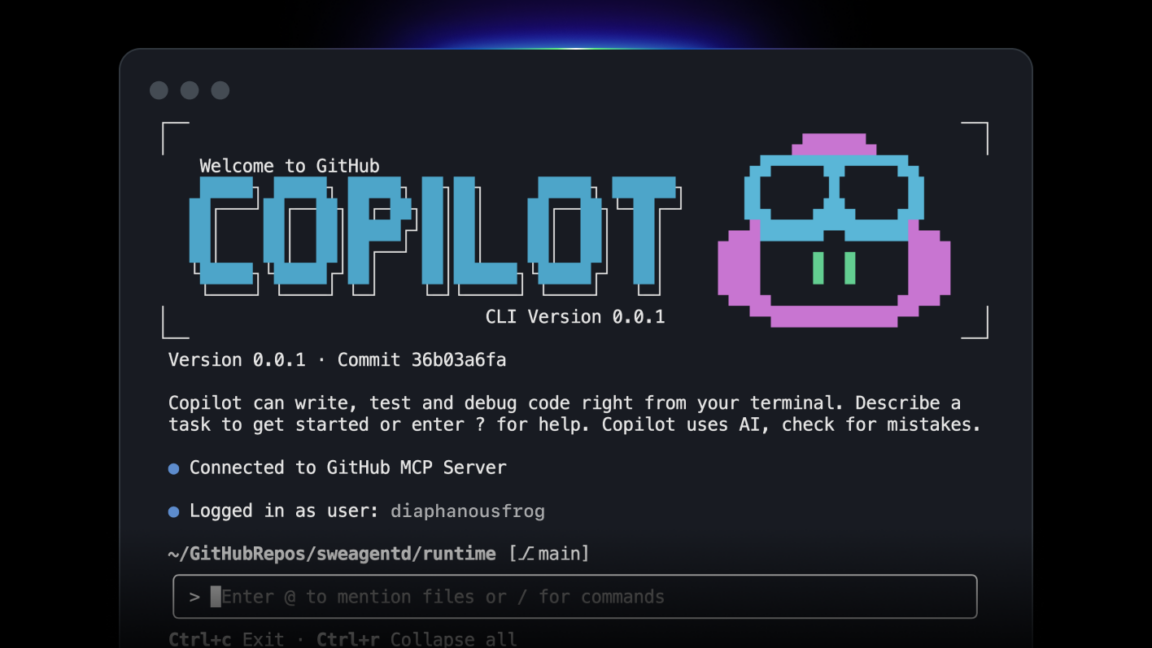
GitHub Copilot will shift to usage-based billing on 1 June, replacing its current flat-rate subscription model with a system of "AI Credits" pegged to actual token consumption. The change follows what the Microsoft-owned company describes as unsustainable growth in inference costs.
Under the current structure, a quick chat question and a multi-hour autonomous coding session can cost a subscriber the same amount. GitHub says it has absorbed escalating backend costs until now, but lumping all premium requests together is no longer viable.
How the new model works
Subscribers will receive a monthly allotment of AI Credits matching their subscription payment. Usage beyond that allowance will be billed at per-model API rates based on input, output, and cached tokens.
Those rates vary sharply. OpenAI prices range from $4.50 per million output tokens for GPT-5.4 Mini to $30 per million for GPT-5.5. Token counts also fluctuate depending on how much reasoning a model performs. Simple completions and Next Edit suggestions will remain free of credit charges, but code reviews will consume GitHub Actions minutes.
A "preview bill" tool will be available before the 1 June cutoff so users can forecast costs under the new regime.
Leaked internal documents, reported by AI critic Ed Zitron, suggest week-over-week Copilot costs had nearly doubled since January. That spike coincides with the rise of agentic coding assistants, which run near-continuous multi-agent workflows and burn through tokens at a far higher rate than traditional chat-based use.
GitHub had already begun tightening the screws. Last week it paused new sign-ups for individual subscription plans, imposed stricter usage limits, and pulled Anthropic's Opus models from its lower-tier Pro offering.
A broader industry pattern
The move mirrors shifts elsewhere. Anthropic has reportedly started billing large Claude Enterprise customers for the full cost of compute rather than offering subscription-subsidised rates. It also briefly tested removing Claude Code from its $20-per-month Pro plan and has been throttling usage during peak hours.
The pattern is consistent: AI providers that attracted users with generous flat-rate plans are now repricing as inference demand outstrips available compute. An ongoing shortage of GPU capacity, documented by The Economist, adds pressure.
GitHub framed the change as a path to reliability. "This change is designed to deliver a more sustainable and reliable product experience by aligning pricing to actual usage and costs," the company wrote.
The new billing takes effect on 1 June. GitHub has not indicated whether enterprise contract terms will follow the same structure.
💬 Discussion
Sign in to join the discussion.
Sign in →No comments yet — be the first.