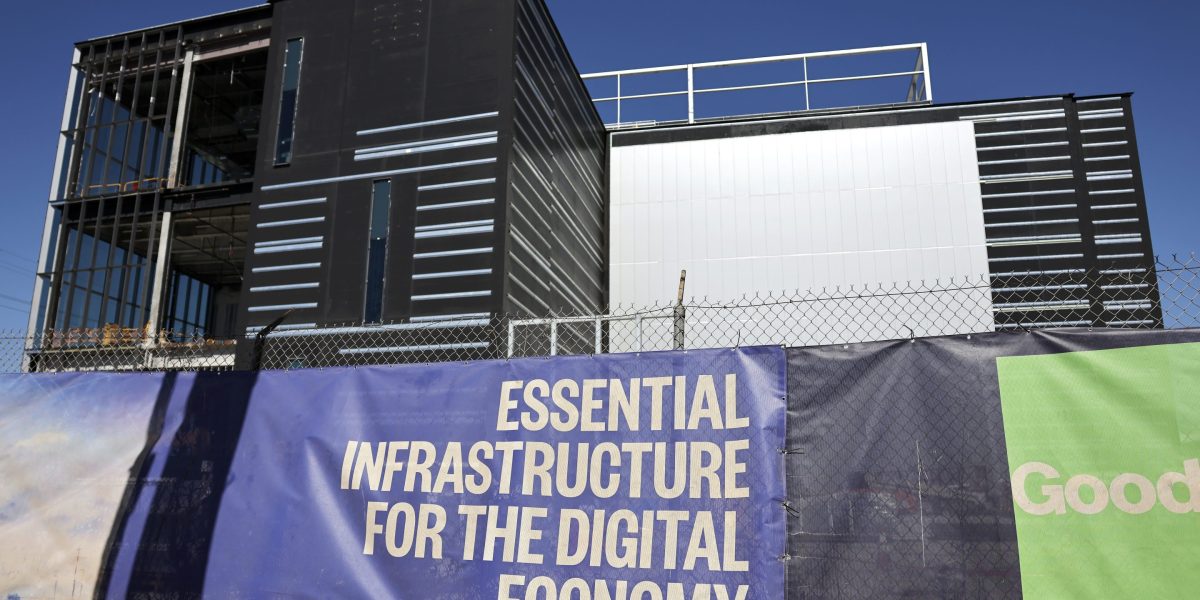
Power demand from artificial intelligence data centers has driven $23 billion in electricity price increases for customers across 14 mid-Atlantic and Midwest states, according to a new report from the PJM market monitor.
The price hikes will persist until at least the end of 2028, affecting ratepayers in the PJM market area that encompasses states from Pennsylvania to Illinois. The increases stem from utilities' need to upgrade grid infrastructure and secure additional power sources to meet surging data center demand.
Tech companies have pledged to pay their fair share of electricity infrastructure costs. But determining exactly what constitutes a "fair share" remains complex, with state utility commissions tasked with allocating billions in grid upgrade costs between data center operators and ordinary consumers.
How electricity pricing works
Utility regulators follow a three-step process to set electricity prices. They first identify all costs to provide service, including power plants, transmission lines and operating expenses. Next, they allocate these costs to customer categories like residential, commercial and industrial users.
The final step involves designing rates that recover those allocated costs. The challenge lies in determining which customers should pay for shared infrastructure upgrades.
When a data center requires a direct power line connection, the allocation is straightforward. But when utilities must upgrade substations or secure additional electricity sources that benefit the entire grid, those costs typically get shared among all customers.
Cost analysts review thousands of utility expense items, applying the principle that customers should pay based on their usage share. If data centers consume 20% of delivered electricity, they would typically be allocated 20% of energy delivery costs.
The $23 billion figure represents just the beginning of data center-related price impacts. As AI infrastructure deployment accelerates, additional grid investments will be needed, potentially driving further rate increases for consumers who had no say in the data center construction decisions affecting their electricity bills.
State utility commissions now face the challenge of balancing economic development benefits from data centers against the financial burden on existing ratepayers.
💬 Discussion
Sign in to join the discussion.
Sign in →No comments yet — be the first.